
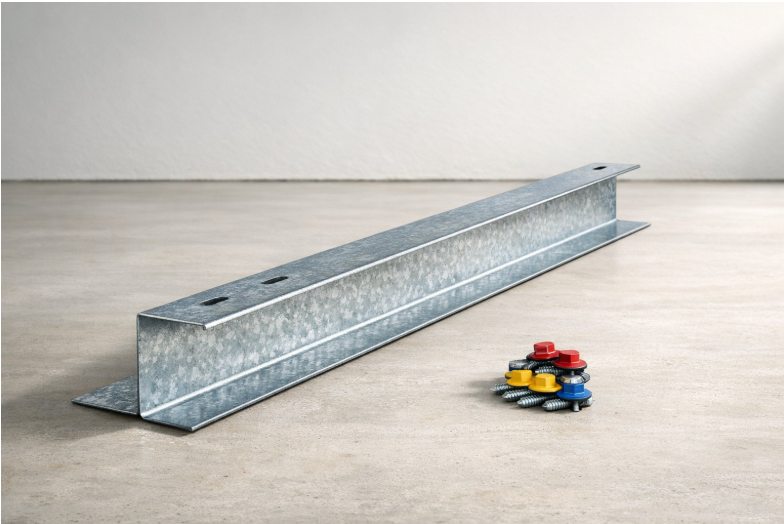
Steel purlins are essential structural elements that shape roof support systems across a range of commercial and industrial projects. Reliable roof performance depends on the alignment between these secondary members and the building’s primary framing, cladding, and insulation. Contractors benefit from understanding the critical considerations to effectively specify and install steel purlins for long-term performance and compliance.
Efficient and durable roof support is a fundamental priority in construction projects, with choices around steel purlins directly influencing outcomes. Purlins, as secondary structural members, distribute loads, provide fastening for roof or wall materials, and interface with insulation layers. For contractors, a sound grasp of design, selection, and installation practices is essential in navigating the complexities of modern roof support systems and meeting regulatory standards on site.
The function and selection of steel purlins in construction
Steel purlins serve as vital load-distributing elements, transferring forces from roof and cladding systems to the main framed structure. Their sizing and spacing are determined by roof type, expected loads including snow and wind, and spans between primary members. Selecting the correct purlin profile, such as C or Z shapes, is important for optimising load resistance and coordinating with fixing schedules.
Material coatings and purlin gauge are key specification details. Galvanised or otherwise protected steel improves resilience to corrosion, especially in humid or exposed locations. The choice should also consider compatibility with other materials used in the envelope, minimising risks of differential movement or accelerated wear at junctions.
Load calculations must account for regional climate variations and specific building use requirements. Wind uplift forces, particularly in coastal or elevated locations, can impose significant demands on purlin connections and require enhanced fixing schedules. Contractors should verify that purlin specifications reflect the full range of anticipated loading conditions, including combinations of dead loads, live loads, and environmental factors. Early engagement with structural engineers ensures that purlin dimensions and material properties align with the overall structural strategy, reducing the likelihood of costly modifications during construction phases.
Integrating purlins into roof support systems and envelope design
Roof support systems rely on precise purlin placement and alignment for effective distribution of live and dead loads. Installers must coordinate purlin layout with roof slopes, insulation placement, and the integration of services or penetrations. Clear documentation and component identification help reduce errors and site adjustments, which supports project efficiency.
Purlin spacing can influence the performance of insulation and vapour control layers. Careful positioning reduces the potential for thermal bridging and helps maintain airtightness at critical junctions. Contractors addressing these details help prevent future energy performance issues and improve long-term environmental outcomes for the building.
Installation practices and common challenges faced by contractors
Effective purlin installation begins with ensuring site deliveries match specification and that handling prevents distortion or surface damage. Uniformity in purlin manufacturing, achieved through controlled roll-forming, enhances the predictability of fit and finish, reducing waste and remedial work on site.
Contractors often encounter challenges such as misalignment between purlins and fixings, unplanned penetrations, and inadequate corrosion protection at cut edges or joints. Addressing these issues through attention to detail, adherence to manufacturer guidelines, and prompt on-site coordination helps maintain the roof support system’s integrity and building compliance.
Specification guidance and considering future maintenance
Choosing suitable steel purlins involves reviewing allowable spans, load paths, and regional codes. Comprehensive documentation and clear lines of responsibility enable contractors to confidently coordinate with structural engineers, suppliers, and installers. The right decisions at this stage underpin both short-term and future performance.
Maintenance and adaptability should not be overlooked. Detailing for future access, possible system alterations, and robust corrosion protection ensure the purlin system remains effective throughout the building’s lifecycle. Careful specification translates not only into compliance, but also provides a foundation for flexibility and durability in evolving commercial and industrial settings.